Books guide
How to keep a reading log
Keep track of books you have read with a simple reading log. Choose useful fields, borrow an example, and make a record you will want to revisit.
The short answer
A reading log is a record of the books you have read. Start with the title, author and date you finished, then add one sentence about what stayed with you. A notebook, spreadsheet or book tracker app can all work. Choose the format you are likely to open after the next book.
What is a reading log?
A reading log helps you look back at your reading life: which books you finished, when you read them, and how you responded. It can be a short list or a journal with room for longer thoughts. You do not need to review every book.
Keep finished reading separate from your to-be-read list. The first records what happened; the second holds possibilities. If you stop partway through a book, you can record that too. Mark it as unfinished so your future self understands the entry.
What should you record?
Begin with a few fields. You can add detail when you discover a question you want your log to answer.
- Title and author. Enough to find the book again and distinguish books with similar titles.
- Date finished. Use the date you completed it. Leave it blank or mark the month if you cannot remember exactly.
- Reading status. Finished or unfinished keeps a mixed journal clear.
- A personal response. One detail, question or feeling you would otherwise forget.
- An optional rating. Add one if it helps you choose what to recommend or reread.
Format, translator and edition can be useful when they matter to your experience. Page counts and daily progress are optional. A reading log can still do its job without measuring every reading session.
A reading log example you can borrow
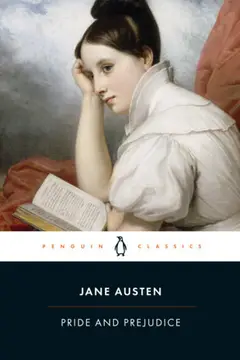
This illustrative entry records a response rather than retelling the plot.
Pride and Prejudice — Jane Austen
- Finished
- 18 October 2026
- Status
- Finished · Reread
- What stayed
- I noticed how often Elizabeth has to revise her first impressions. I remembered the romance more clearly than the embarrassment of realising she was wrong.
- Would I return?
- Yes, especially for the conversations.
The free spreadsheet template starts with these columns: title, author, date finished, status, first read or reread, personal response, and rating (optional). Use one reading per row and YYYY-MM-DD dates for easy sorting. A separate reread entry preserves your earlier response.
Download the free reading log template (CSV)Open the blank template in a spreadsheet app, or use its headings in your notebook. No account needed. This is a standalone spreadsheet template; it is not an import feature for Crestora.
Give reflection room beside reading goals
A total can tell you how much you finished. Your responses tell you what the reading meant. If a yearly goal motivates you, keep it alongside a few words about each book so the number does not become the whole record.
When a rating feels too blunt, try a question: Who would I give this to? Which scene comes back to me? Would I reread it? You can also compare two favourites and ask which one stayed with you more. That can reveal a preference that identical star ratings leave hidden. Our guide on how to rank the books you’ve read works through that in detail.
Build a routine you can keep
Start with the next book you finish. Reconstructing years of reading is optional; add older favourites as they come to mind and leave uncertain dates blank.
Make the entry while a detail is fresh. Record the basics first, then return later if you want to write more. Once a month, browse a few entries. Look for an author you want to revisit or a recommendation you meant to send. A useful log gives something back.
Keep your books in Crestora
Crestora lets you collect books you have read, record reading dates and build a personal order through comparisons. Choose between two books at a time and see your favourites take their places in a ranked collection and tiers.
It suits readers who want to revisit their books alongside films and trips. Begin with a few finished books, add the dates you know, then compare favourites. Keep any longer reading reflections in the format you enjoy using.
Questions
Questions, answered.
What should a reading log include?
Start with the title, author, date finished and one sentence about what stayed with you. Add a status for unfinished books and an optional rating if it helps you recommend or reread.
Should I record books I didn’t finish?
Yes, if it helps you remember. Mark them as unfinished so they are not confused with books you completed.
How do I record a reread?
Give the reread its own entry with its own date and response. That preserves your earlier impression instead of overwriting it.
Can I keep a reading log for free?
Yes. A notebook or the free CSV template on this page is enough to begin, with no account needed.
Keep reading
More guides.
- Books · Guide
How to rank the books you’ve read
Compare across genres, handle series, rereads and unfinished books, and turn a six-book example into tiers.Read the guide - Films · Guide
How to keep a film log
Remember the films you watch and the evenings around them. Choose a movie logger, learn what to record, and start with a free spreadsheet template.Read the guide - Films · Guide
How to rank your favourite movies
Five stars each? Work through a personal top ten with comparisons, a four-film example, and room for ties and changing taste.Read the guide